

Canadian Historic Places
The Canadian Register of Historic Places, better known as the historicplaces.ca website, has been discontinued. Parks Canada announced in late 2025 that the searchable database – a cornerstone for understanding heritage places in Canada – has been permanently unplugged in spring 2026.
We have saved the Historic Places that are important to the South Asian Communities in Canada. You can find them below.
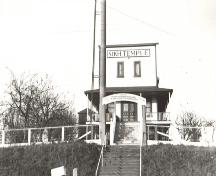
Abbotsford Sikh Temple
33089 South Fraser Way, Abbotsford, British Columbia, V2S, Canada
This one-and-a-half-storey wood-frame structure was built using local materials donated by the Abbotsford Lumber Company, representing the mutual interdependence between the pioneer Sikh workforce and the local forestry industry. It served as the reception centre for new immigrants and the religious and social hub of the community.
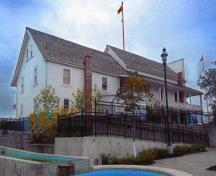
Abbotsford Sikh Temple National Historic Site of Canada
33089 South Fraser Way, Abbotsford, British Columbia, Canada
Built in 1911, this site is the oldest surviving example of the pioneer-era Sikh temples in North America. Its simple, false-fronted design blends Canadian commercial vernacular architecture with key Sikh structural traditions, symbolising the community’s early roots and pragmatic adaptation to the Canadian context.
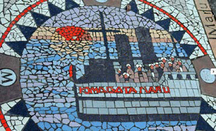
Burrard Inlet – Coal Harbour
Coal Harbour Seawall, Vancouver, British Columbia, Canada
This location in Burrard Inlet is where the Komagata Maru was detained from May 23 to July 23, 1914, forcing 376 South Asian Canadian immigrants to remain anchored on board. The site symbolises a momentous confrontation with embedded, race-based Canadian immigration policies and the beginning of a 50-year struggle for citizenship.
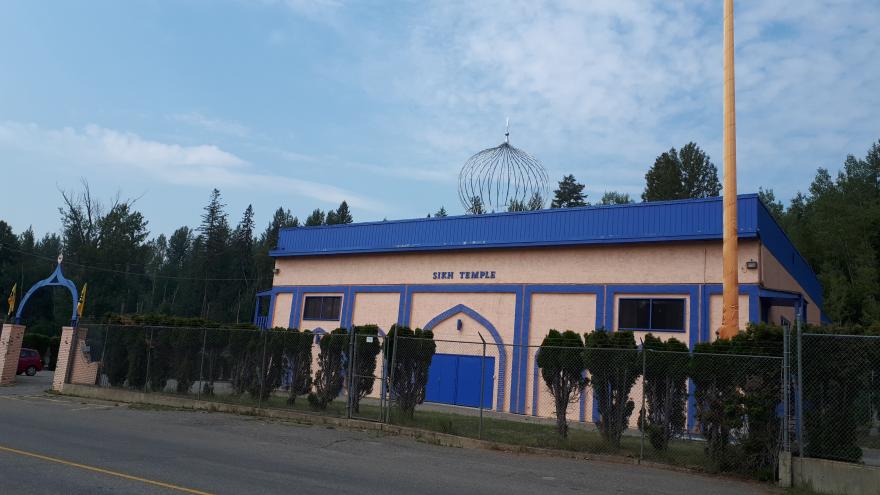
Cariboo Gur Sikh Temple
431 Lewis Drive, Quesnel, British Columbia, Canada
Built in 1981 after the original 1974 structure was destroyed by fire, this temple exemplifies the growth of the Sikh community in Quesnel. Constructed using volunteer labour and donations from local merchants and Sikh communities across B.C., it serves as a crucial spiritual, social, and cultural gathering place.
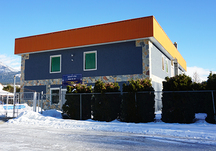
Golden Sikh Temple
603 13 Street South, Golden, British Columbia, Canada
Originally located on the Columbia River Lumber Company property, this former temple site is associated with early Sikh pioneers who arrived in 1902 to work in B.C.’s remote forestry industry. Likely a re-purposed sawmill building, it provided a vital place for the community to practice their faith and endure the shared experiences of racism at the time.
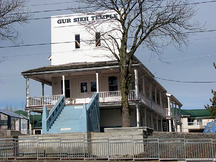
Gur Sikh Temple
33089 South Fraser Way, Abbotsford, British Columbia, Canada
Officially opened in 1912, this frontier vernacular building remains a symbol of the pioneer Sikh community’s collective goal of community-building and rights advocacy despite explicit discrimination. Carefully restored in 2007, it now functions as a Sikh heritage museum while continuing its role as a sacred and cultural space.
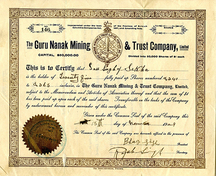
Guru Nanak Mining and Trust Co. Commercial Building
1742 West 2nd Avenue, Vancouver, British Columbia, Canada
The former location of the Guru Nanak Mining and Trust Company Building holds historical significance through its founder, Sant (Professor) Teja Singh, who established the company to secure the economic welfare of the local South Asian Canadian community. It was created as a reaction to discriminatory immigration laws like the Continuous Journey Regulation of 1908 and sought to organise unemployed South Asians into an incorporated company of land owners.
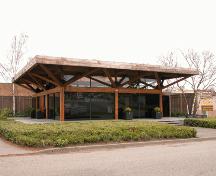
Home Lumber Company Office
470 Ardersier Road, Saanich, British Columbia, V8Z, Canada
Built in 1972 and designed by the prominent Canadian architect Arthur Erickson, this building has served as the head office for Jawl Industries. The structure is valued for its architectural design and its connection to the Jawl family, who have strong roots as entrepreneurs and benefactors in the Saanich community.
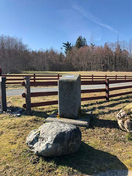
Joginder Bains Park
350 Point Ideal Drive, Lake Cowichan, British Columbia, Canada
This park serves as a memorial to Sikh pioneer Jogindar Singh Bains, a lumber entrepreneur who developed a sawmill operation at this very site in 1956. His enterprise was considered a model modern operation that notably provided employment primarily to First Nations and South Asian Canadian workers.
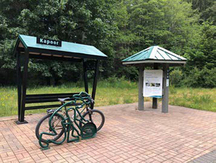
Kapoor
Sooke River Road, Sooke, British Columbia, Canada
Established in 1928, this historic site is the former location of the Kapoor Lumber Company sawmill, founded by prominent B.C. forestry entrepreneurs Kapoor Singh Siddoo and Mayo Singh. Operating during a difficult economic depression, the mill was a crucial source of employment, housing, and support for up to 300 culturally diverse workers.
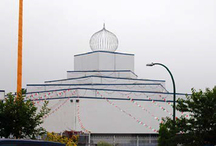
Khalsa Diwan Society Gurdwara
1866 West 2nd Avenue, Vancouver, British Columbia, Canada
Constructed in 1908, this is the oldest Sikh Temple in North America and served as the centre of early South Asian life in the province. It functioned as a religious, political, cultural, and social service centre for the entire South Asian immigrant population of the Lower Mainland, and its members notably advocated for the rights of the Komagata Maru passengers in 1914.
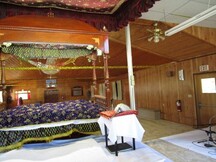
Paldi
23 Paldi Road, Paldi, British Columbia, Canada
Originally known as Mayo, this former sawmilling town became the centre of the South Asian Canadian forest industry in the Cowichan Valley following its settlement around 1908. It evolved into a vibrant village complete with a hall, school, company store, and a Sikh gurdwara originally constructed in 1919.
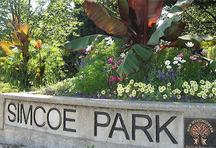
Simcoe Park
124 MacInnes Street, New Westminster, British Columbia, Canada
Located on the former site of the Provincial Jail, Simcoe Park holds deep historical significance for the South Asian community as the site of Sikh martyr Bhai Mewa Singh Ji’s incarceration and execution. He is widely regarded as a martyr and icon for his struggle for South Asian Canadian rights during a period of intense racism and discrimination.
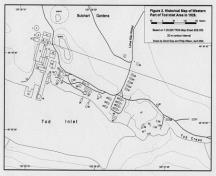
Tod Inlet
Tod Inlet, Brentwood Bay, British Columbia, Canada
Established in 1904, this site contains the remains of B.C.’s first cement plant, the Vancouver Portland Cement Company, where forty undocumented Sikh men arrived to work in 1906. It serves as a vital illustration of the multi-racial communal living and tough working conditions experienced by early South Asian Canadian workers at industrial sites.
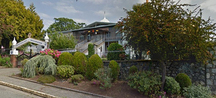
Topaz Avenue Sikh Gurdwara
1210 Topaz Avenue, Victoria, British Columbia, Canada
Originally constructed in 1912, this was the third gurdwara established in the province and represents the hard work of the first South Asian pioneers who arrived in the Victoria area. The temple offered early immigrants a place to practice their faith, socialise, and find spiritual support while enduring the prevalent racism of the era.